
When you’re constantly tired and everything hurts a bit, this might be lacking.
Most people in the gym have a “Linear Obsession.” They think progress should look like a straight line pointing up forever. More weight, more reps, more sweat, every single week.
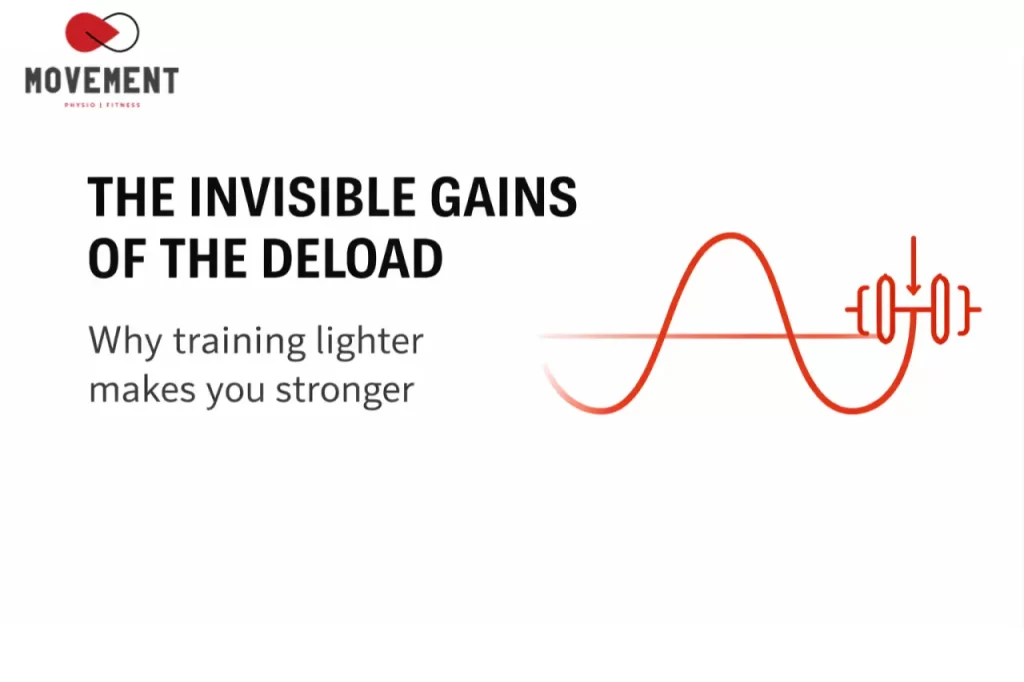
But physiology doesn’t work that way. It works in waves. Or rather, cycles. If you’ve been training hard for 6 weeks and suddenly feel sluggish, your joints are “cranky,” or your motivation has plummeted, don’t worry. You haven’t lost your “willpower.” It’s just time for a recovery boost and that’s where the Deload comes in. Why do so many people have no clue about this? Because the fitness industry sells “intensity” and “grind.” It’s easy to market a 30-day “Shred,” but it’s hard to market a week where you purposefully lift 30% less. People often mistake “busy-ness” for “progress.”
The Science: Stress + Rest = Adaptation
When you lift, you are literally causing micro-trauma to your tissues and stressing your Central Nervous System (CNS).
- The Training Phase: You provide the stimulus (The Stress).
- The Deload Phase: You give your body the resources to actually build back stronger (The Adaptation).
If you skip the Deload, you skip the Adaptation. You’re planting and growing the trees, but you leave that juicy, ripe fruit hanging. How about we start taking it, enjoy the benefits and at the same time drastically minimize risk of overuse injuries?
How to Deload without “Quitting”:
- The 6-8 Week Rule: Every 6th or 8th week, decrease your total volume (sets/weight) by 30-50%.
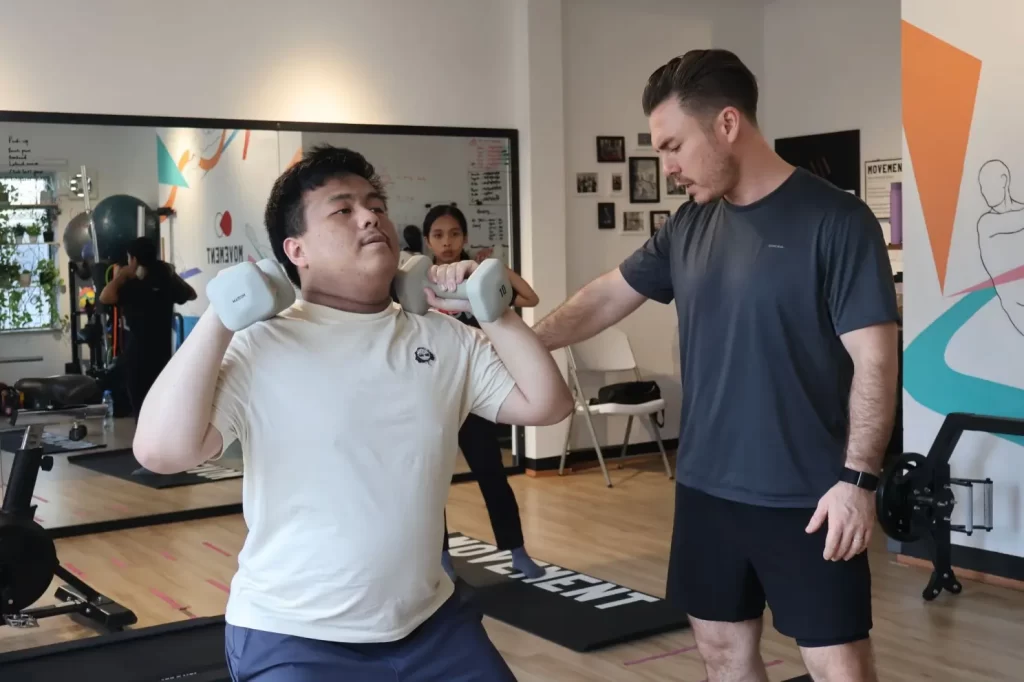
- Focus on “Perfect” Mechanics: Use the lighter weight to revisit the NASM Stabilization principles. Move slow. Feel the muscle. Fix the form “potholes.”
- Prioritize NEAT: Spend that extra energy on a long walk or extra sleep.
The Practical Takeaway: Periodization isn’t just for pro athletes; it’s for anyone who wants to still be squatting when they’re 70.
A Deload week isn’t a “week off.” It’s an investment week. You’re paying the “Recovery Tax” now so you don’t have to pay the “Injury Tax” later. Train, but lighter. Stretch a bit more. Do some more cardio. Get a massage. Join a pilates class. Work, but decrease the load.
Stay stable,
-Mark