
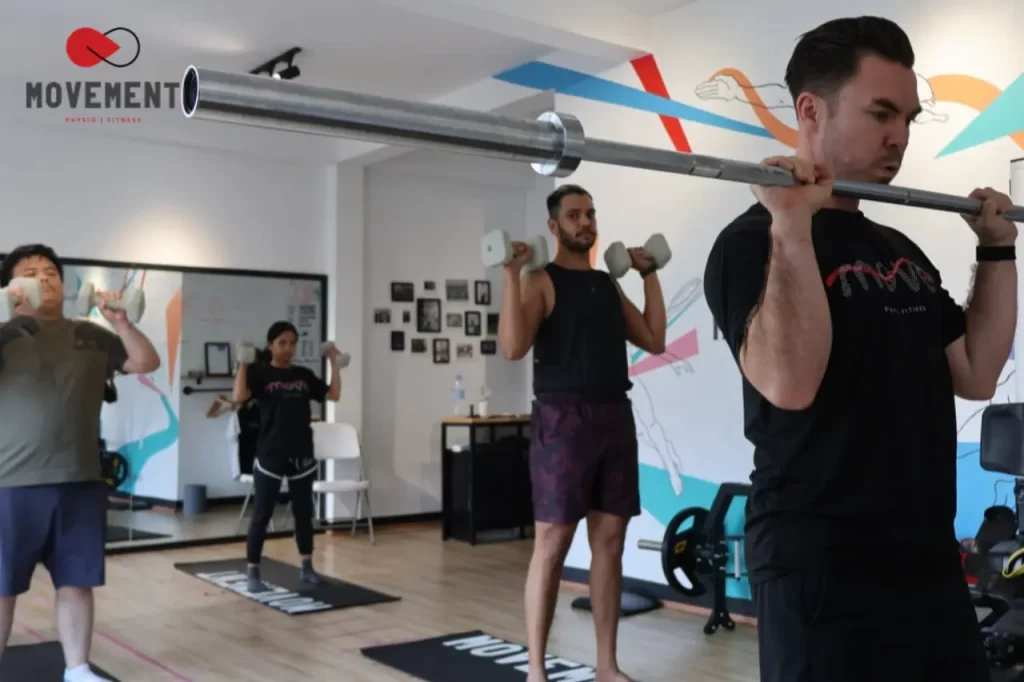
In my last letter, I talked about why most fitness plans fail by February: people try to solve a consistency problem with an intensity solution.
But even with the right mindset, your body still has to follow the laws of physics and biology. If you want to train for the next 20 years—not just the next 20 days—you need a system to manage the “wear and tear.”
Here is the practical blueprint I use with my physio clients to keep them out of the clinic and in the gym.
1. Start with a “Pothole” Check
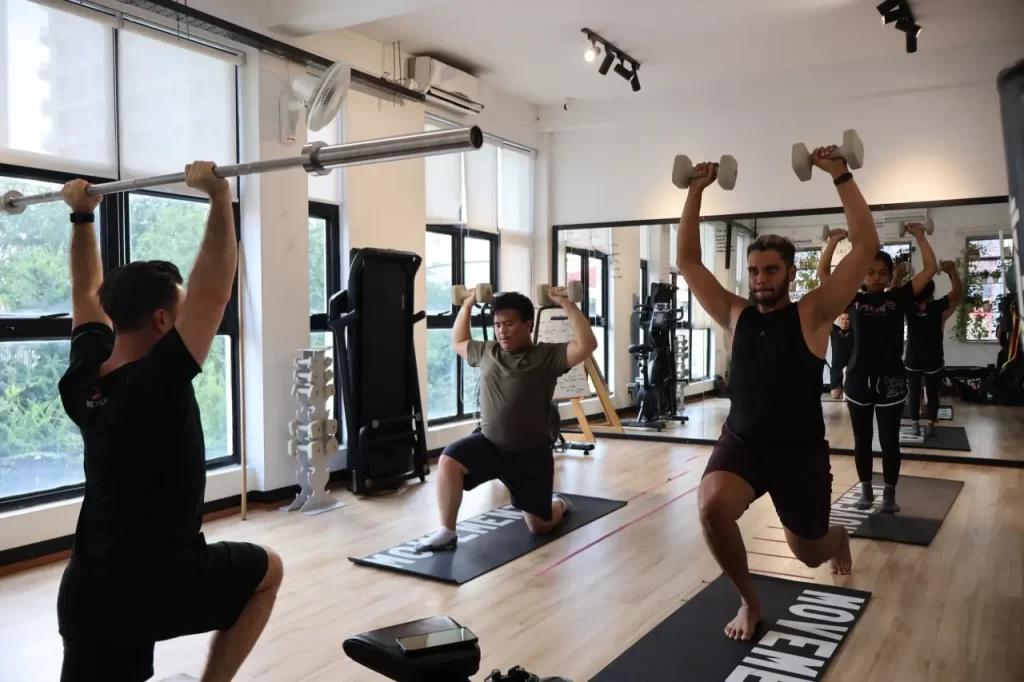
Before you add weight, you must screen your movement. The DIY Test: Stand in front of a mirror and do a slow overhead squat (arms locked out above your head). Do your heels lift? Do your knees cave in? Does your torso lean forward excessively?
- The Rule: Never add weight to a dysfunctional movement. Fix the “pothole” first, or the weight will just make the hole deeper.
2. Stabilize, Stretch, and Strengthen
Injury prevention isn’t just “stretching.” It’s a three-part balancing act:
- Stabilize what is loose: If your ankles or lower back feel “wobbly,” you need isometric holds and core control.
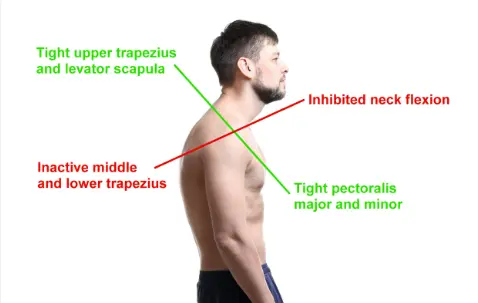
- Stretch what is tight: If your desk job has your hip flexors in a vice grip, no amount of squatting will fix that—you have to create length first.
- Strengthen what is weak: Usually, this means the “posterior chain” (glutes, hamstrings, back).
3. Choose Frequency over Intensity
It is a physiological myth that you need to “crush” yourself three times a week.
- The Better Way: Train at 70% intensity, 5 days a week.
- Why: Moving more often with perfect form builds better “neurological grooves” than moving occasionally with sloppy, high-effort form.
4. The 24-Hour Pain Rule
Stop trying to “tough it out.” You need to know the difference between Systemic Soreness and Structural Pain.
- Good Pain: A dull ache in the muscle belly that fades as you move.
- Bad Pain: Sharp, stabbing, or localized in a joint.
- The Test: If a movement causes pain that is still there 24 hours later, your body is telling you that you’ve exceeded its current capacity. Back off.

5. Pay the “Recovery Tax”
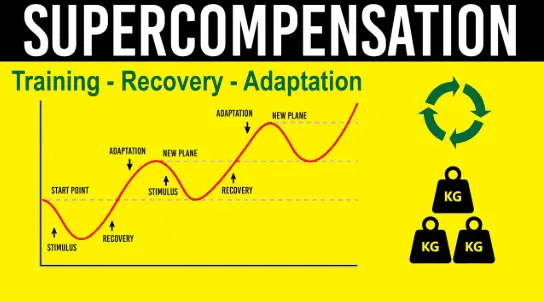
Training is the stimulus; recovery is the result.
- Protein: If you aren’t hitting roughly 1.6g to 2.2g of protein per kg of body weight, you aren’t repairing the micro-tears you created. You’re just getting weaker.
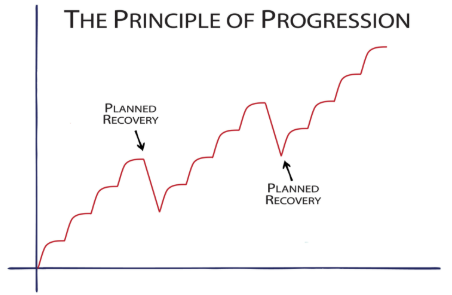
- Deload: Every 6–8 weeks, reduce your weights by 30%. This isn’t “taking a break”—it’s giving your tendons and nervous system time to catch up to your muscles.
How to apply this today:
Pick one movement you do every workout (like a lunge or a push-up). Tomorrow, don’t worry about the weight. Focus entirely on the tempo and the form. See if you can make a “light” weight feel “heavy” just by controlling it perfectly.
I teach these exact mechanics in my Stable & Durable sessions because I’d rather coach you through a perfect squat today than treat your meniscus tear in three months.
If you want a professional eye to help you find your “potholes,” come by the clinic or join us for a session.