
If you’ve rolled your ankle once, you probably know the dread that follows. That sharp pain, the swelling, and the helpless wobble when you try to walk.
But what surprises most people isn’t the first ankle sprain… it’s the second… and third.
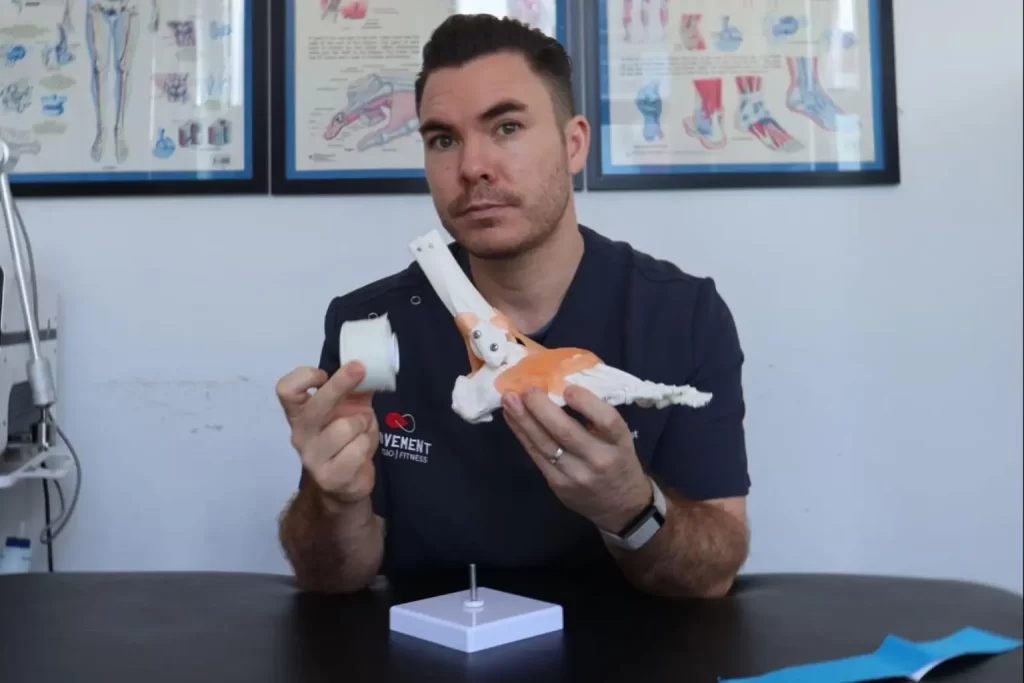
At Movement Physio Fitness, we see this pattern constantly. People recover “enough” to get back on the field or into their workouts, but months later, a small misstep brings them right back to square one.
Let’s break down why ankle sprains keep coming back, and more importantly, how you can stop that cycle for good.
1. The Real Problem Isn’t the Ligament — It’s the System
When you sprain your ankle, the ligaments get stretched or torn, sure.
But deeper down, your proprioception (your body’s built-in balance system) and stabilizer muscles lose their coordination.
That means even when the swelling goes down, the joint is still vulnerable.

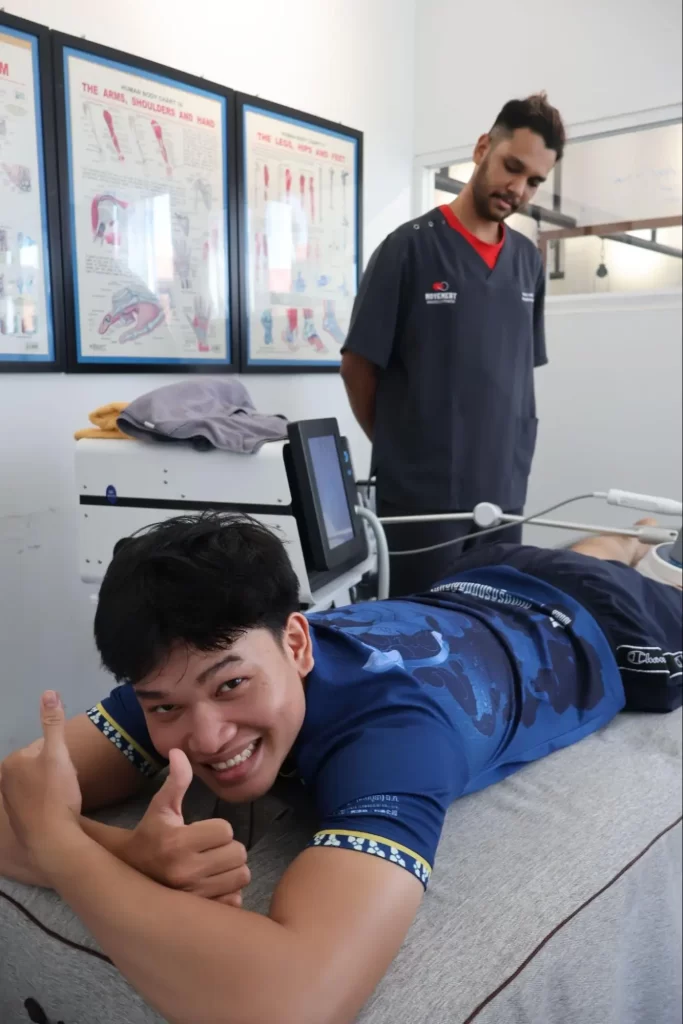
At Movement, we don’t just treat pain — we rebuild control through our 3-Step Method:
- Release: Reduce tension and inflammation through hands-on therapy
- Restore: Retrain foot and ankle mechanics to move properly again
- Regain: Strengthen and stabilize for long-term durabilityStreamlines the design process and saves time.
This isn’t about “fixing your sprain.”
It’s about restoring the entire chain of movement from the foot up through the hips.
Common Mistakes That Lead to Repeat Injuries
Here’s what most people (and sometimes even therapists) overlook when treating recurrent ankle sprains:
- Stopping rehab too early — pain-free doesn’t mean fully recovered
- Ignoring hip and core stability — your ankle doesn’t work in isolation
- Skipping balance work — strength alone doesn’t equal stability
- Wearing the wrong footwear — supportive shoes can still restrict your natural mechanics if not fitted properly
If any of these sound familiar, your ankle might be “healed,” but it’s not truly ready for the demands of sport or daily life.
3. How to Build an Ankle That Doesn’t Break (Again)
Here’s what we teach every client recovering from a sprain:
- Start with gentle mobility work (like ankle alphabet drills).
- Layer in balance challenges on one leg.
- Progress into controlled strength (heel raises, banded inversions).
- Finish with movement retraining — hops, landings, and agility tailored to your sport or daily life.
Recovery isn’t about doing more, it’s about doing the right sequence.
And that’s what our Ankle Stability Assessment is designed to identify — which part of your ankle system still isn’t firing properly.
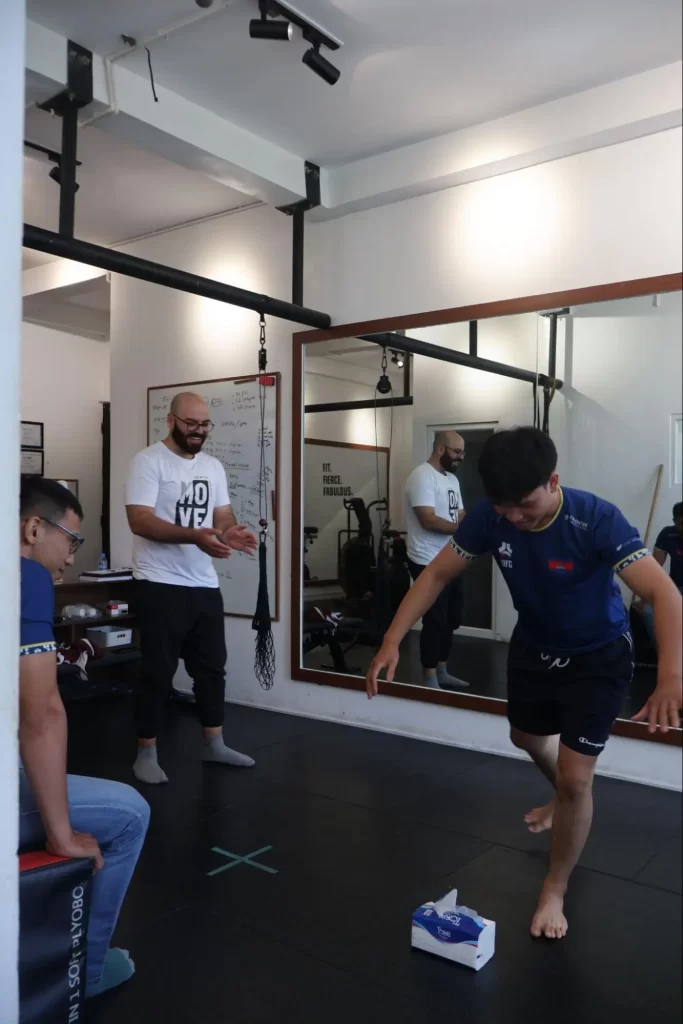
✅ Book Your Ankle Stability Assessment
Ready to break the cycle of ankle pain and weakness?
Our physiotherapists specialise in helping you “release, restore, and regain” full movement — faster and safer.
Add your first comment to this post